




Introduction to ACCO
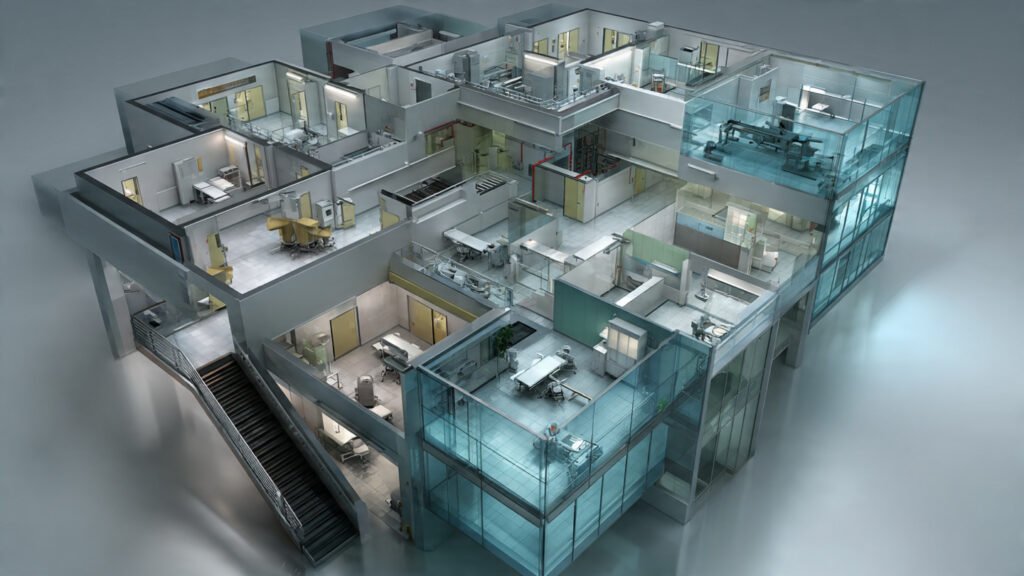
Sustainable hospital design in Pakistan is transforming how healthcare facilities are planned and built, and ACCO is playing a key role in this evolution. With extensive experience in delivering modern infrastructure solutions, ACCO specializes in designing healthcare spaces that are efficient, compliant, and future-ready.
Based in Lahore, ACCO focuses on innovative planning, smart resource management, and practical construction strategies tailored to Pakistan’s environment and healthcare needs.
Why Sustainable Hospital Design in Pakistan Matters
The demand for sustainable hospital design in Pakistan is increasing due to rising energy costs, urban expansion, and the need for better healthcare infrastructure.
Hospitals require continuous operations, which leads to:
- High electricity consumption
- Increased operational expenses
- Environmental impact
Implementing sustainable strategies helps reduce costs while improving patient care and efficiency.
Core Principles of Sustainable Healthcare Design
Energy Efficiency in Hospital Design
Energy efficiency is a major component of sustainable hospital design in Pakistan.
Key solutions include:
- Solar energy systems
- Energy-efficient HVAC systems
- LED lighting
- Smart energy monitoring
These strategies significantly lower long-term operational costs.
Smart Space Planning in Hospitals
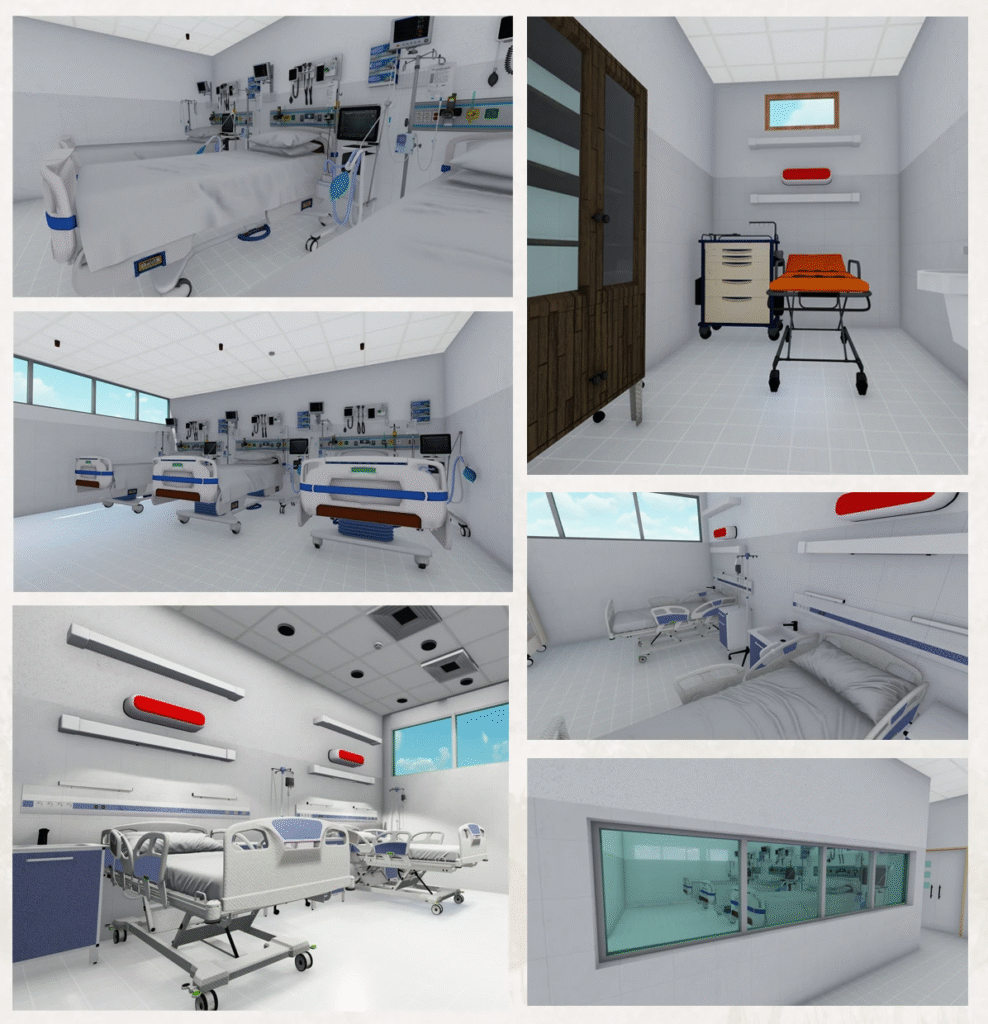
Efficient layouts improve functionality and patient experience.
Important features:
- Clear navigation systems
- Separate emergency and OPD zones
- Optimized staff workflow
Good planning ensures better service delivery and reduced congestion.
Sustainable Materials for Hospital Construction
Material selection impacts both cost and sustainability.
Recommended materials:
- Low-VOC paints
- Recycled construction materials
- Thermal-insulated glass
- Locally sourced products
These materials improve durability and reduce environmental impact.
Water Management Systems
Water conservation is essential in Pakistan.
Effective systems include:
- Rainwater harvesting
- Water recycling systems
- Low-flow sanitary fixtures
These reduce water waste and operational costs.
Natural Lighting and Ventilation in Hospitals
Natural light plays an important role in healthcare environments.
Benefits include:
- Faster recovery rates
- Reduced electricity usage
- Improved indoor air quality
Proper ventilation also supports infection control.
Modern Trends in Sustainable Hospital Design
Digital Healthcare Integration
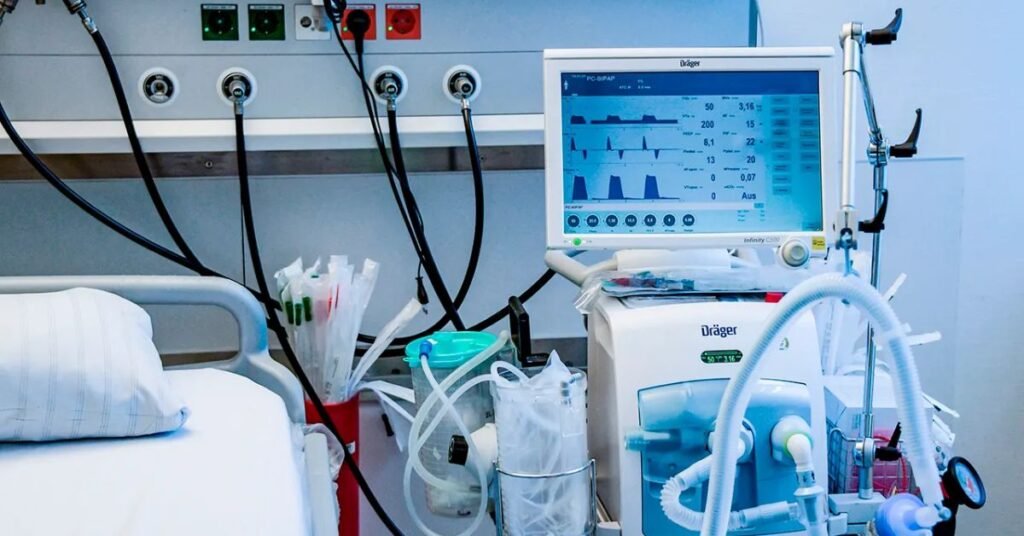
Modern hospitals are adopting:
- Smart monitoring systems
- Digital patient records
- Automated building controls
These technologies improve efficiency and accuracy.
Green Building Standards in Pakistan
Many projects now follow international guidelines such as:
- LEED Certification
- Environmental compliance standards
Learn more about global sustainable architecture trends on
https://www.archdaily.com/
Sustainable Materials for Hospital Construction
Material selection impacts both cost and sustainability.
Recommended materials:
- Low-VOC paints
- Recycled construction materials
- Thermal-insulated glass
- Locally sourced products
These materials improve durability and reduce environmental impact.
Water Management Systems
Water conservation is essential in Pakistan.
Effective systems include:
- Rainwater harvesting
- Water recycling systems
- Low-flow sanitary fixtures
These reduce water waste and operational costs.
Natural Lighting and Ventilation in Hospitals
Natural light plays an important role in healthcare environments.
Benefits include:
- Faster recovery rates
- Reduced electricity usage
- Improved indoor air quality
Proper ventilation also supports infection control.
Modern Trends in Sustainable Hospital Design
Digital Healthcare Integration
Modern hospitals are adopting:
- Smart monitoring systems
- Digital patient records
- Automated building controls
These technologies improve efficiency and accuracy.
Green Building Standards in Pakistan
Many projects now follow international guidelines such as:
- LEED Certification
- Environmental compliance standards
Learn more about global sustainable architecture trends on
https://www.archdaily.com/